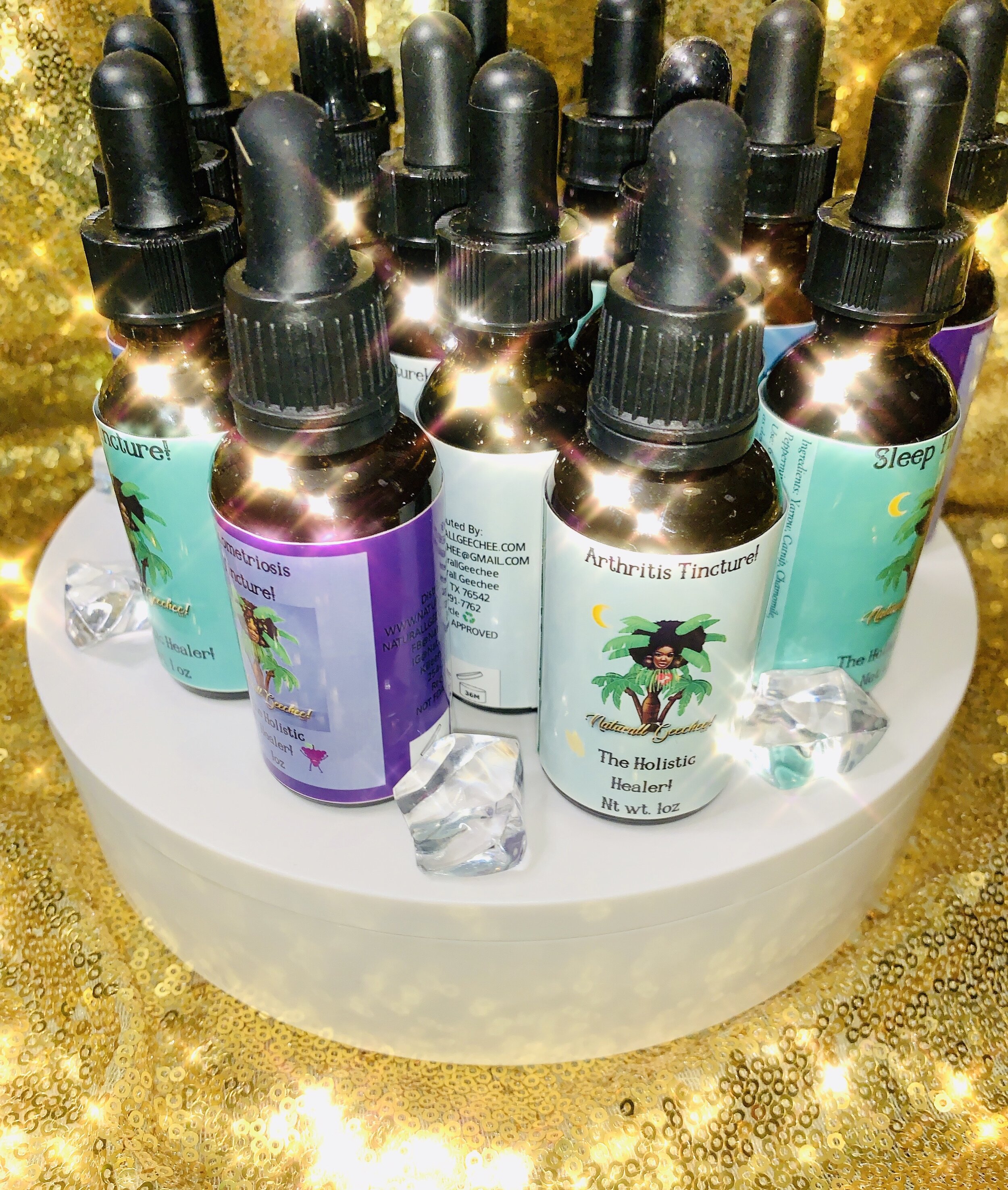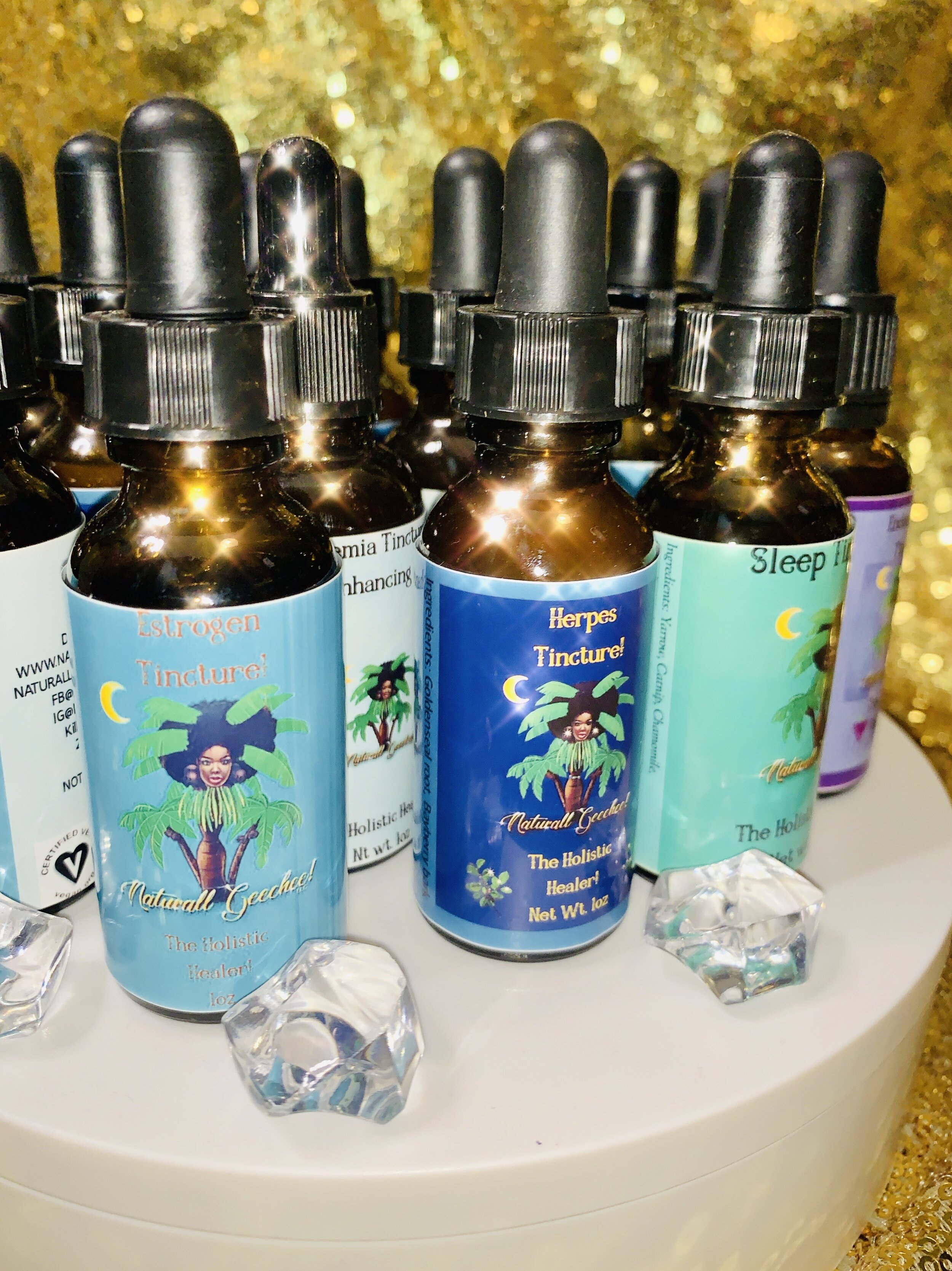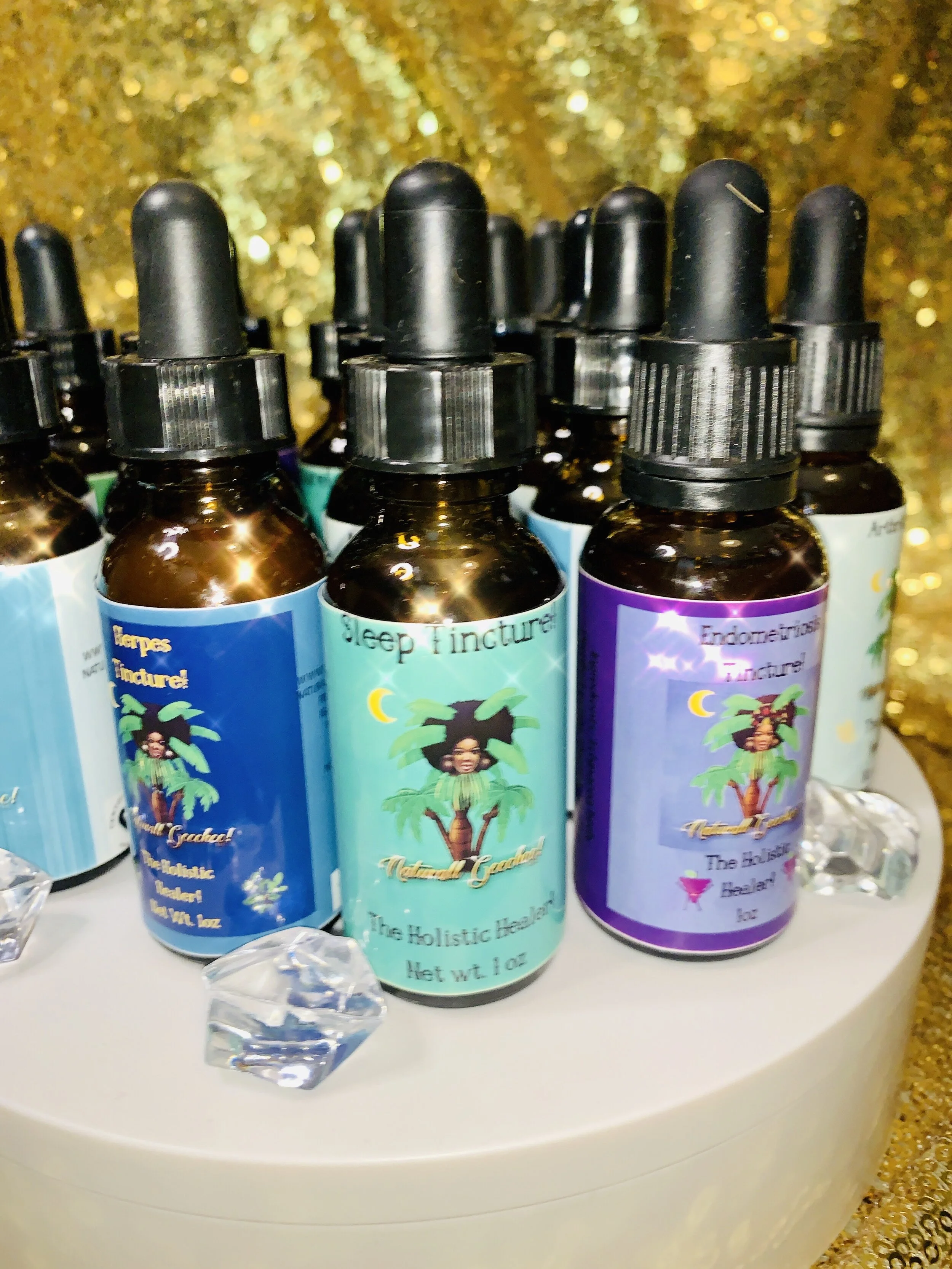

Herpes Tincture!
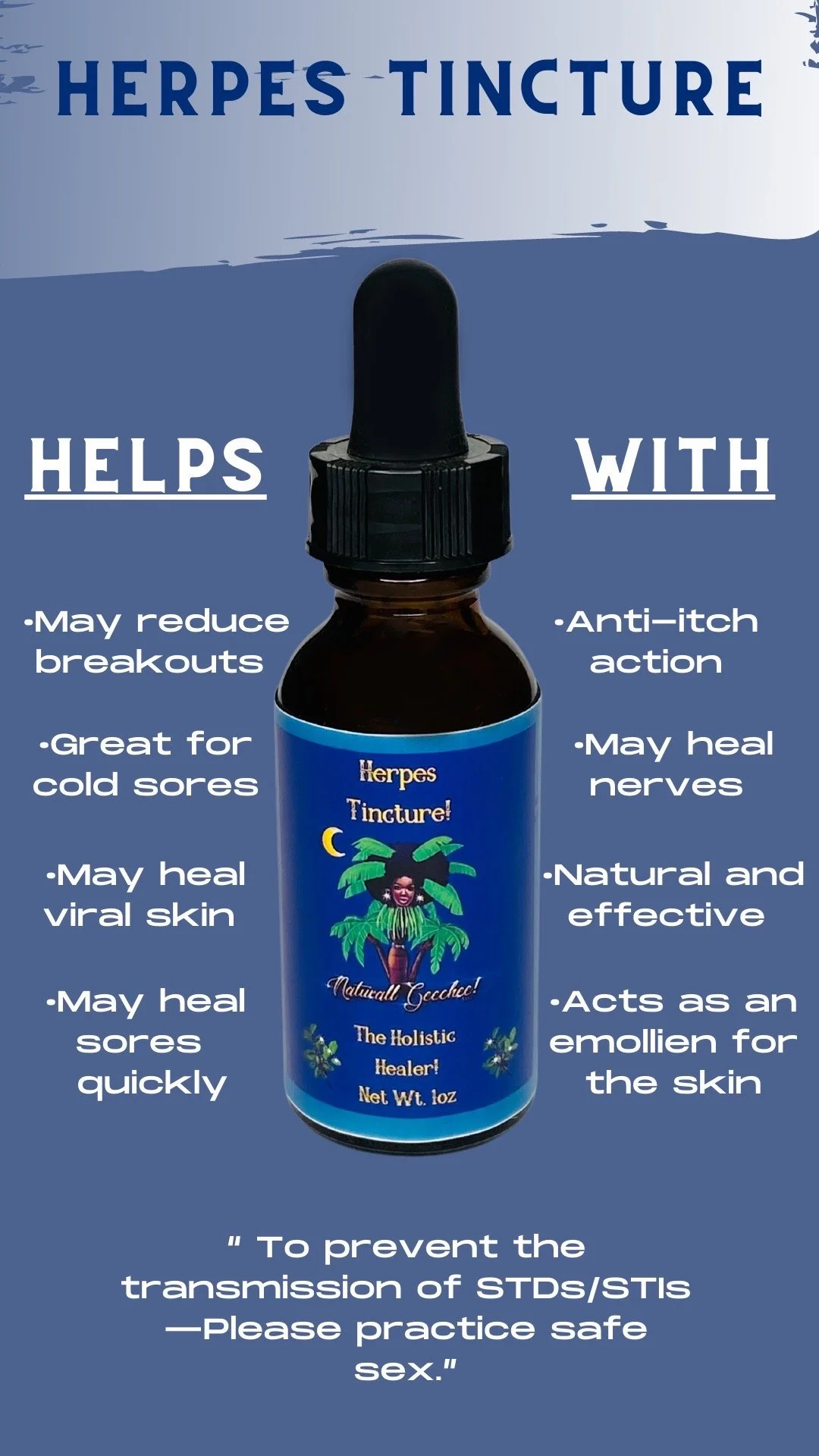

Herpes Tincture!
Ingredients: Melissa leaf(lemon balm), St. Johnswort flowering tops and Spearmint leaf 1% menthol (peppermint leaves 40% menthol).
What causes herpes?
Genital herpes is one of the most common sexually transmitted diseases in the U.S. It is caused by the herpes simplex virus (HSV). Most genital herpes is caused by infection by the herpes simplex virus type 2 (HSV-2). Herpes simplex virus type 1 (HSV-1) is often the cause of cold sores or fever blisters.
Genital herpes is a common sexually transmitted disease (STD) that any sexually active person can get. Most people with the virus don’t have symptoms. Even without signs of the disease, herpes can still be spread to sex partners.
Herpes tincture
External usage:
Dilute Six drops of the formula into six drops of water, dip a cotton ball, or swap into the mixture and apply to cold sore or blisters and sores on the mouth, face, and genitals. It may be used undiluted, but test for sensitivity with diluted first. Shake well. Store in a cool, dark place. Keep out of reach of children.
Tincture disclosures.
Disclaimer: Naturall Geechee! LLC, we do not diagnose disease or illness. We can offer programs to assist in your health journey after receiving advice from your doctor or specialist. Should you have unexplained symptoms, please speak to your doctor or specialist. We make no healing claims about any of the products offered on this website.
Please note that the adult dose for any tincture is 5 mls at least once per day, but generally twice per day.
Some herbs are contra-indicated with specific Allopathic medications. If you are taking any prescription drugs, please contact us for safety information before ordering any herbal tinctures.
PLEASE STOP USAGE IF ANY ADVERSE REACTION OCCURS.
What is genital herpes?
Genital herpes is an STD caused by two types of viruses. The viruses are called herpes simplex virus type 1 (HSV-1) and herpes simplex virus type 2 (HSV-2).
What is oral herpes?
Oral herpes is usually caused by HSV-1 and can result in cold sores or fever blisters on or around the mouth. However, most people do not have any symptoms. Most people with oral herpes were infected during childhood or young adulthood from non-sexual contact with saliva.
Is there a link between genital herpes and oral herpes?
Oral herpes caused by HSV-1 can be spread from the mouth to the genitals through oral sex. This is why HSV-1 causes some cases of genital herpes.
How common is genital herpes?
Genital herpes is common in the United States. More than one out of every six people aged 14 to 49 years have genital herpes.
How is genital herpes spread?
You can get genital herpes by having vaginal, anal, or oral sex with someone who has the disease.
If you do not have herpes, you can get infected if you come into contact with the herpes virus in:
A herpes sore;
Saliva (if your partner has an oral herpes infection) or genital secretions (if your partner has a genital herpes infection);
Skin in the oral area if your partner has an oral herpes infection, or skin in the genital area if your partner has a genital herpes infection.
You can get herpes from a sex partner who does not have a visible sore or who may not know he or she is infected. It is also possible to get genital herpes if you receive oral sex from a sex partner with oral herpes.
You will not get herpes from toilet seats, bedding, or swimming pools, or from touching objects around you such as silverware, soap, or towels. If you have additional questions about how herpes is spread, consider discussing your concerns with a healthcare provider.
How can I reduce my risk of getting genital herpes?
The only way to avoid STDs is not to have vaginal, anal, or oral sex.
If you are sexually active, you can do the following things to lower your chances of getting genital herpes:
Be in a long-term mutually monogamous relationship with a partner who is not infected with an STD (e.g., a partner who has been tested and has negative STD test results);
Using latex condoms the right way every time you have sex.
Be aware that not all herpes sores occur in areas that are covered by a latex condom. The herpes virus can also be released (shed) from areas of the skin that do not have a visible herpes sore. For these reasons, condoms may not fully protect you from getting herpes.
If you are in a relationship with a person known to have genital herpes, you can lower your risk of getting genital herpes if:
Your partner takes an anti-herpes medication every day. This is something your partner should discuss with his or her doctor.
You avoid having vaginal, anal, or oral sex when your partner has herpes symptoms (i.e., when your partner is having an outbreak). (CDC.GOV)